
MORE THAN
A WORKOUT.
MORE THAN
A WORKOUT.
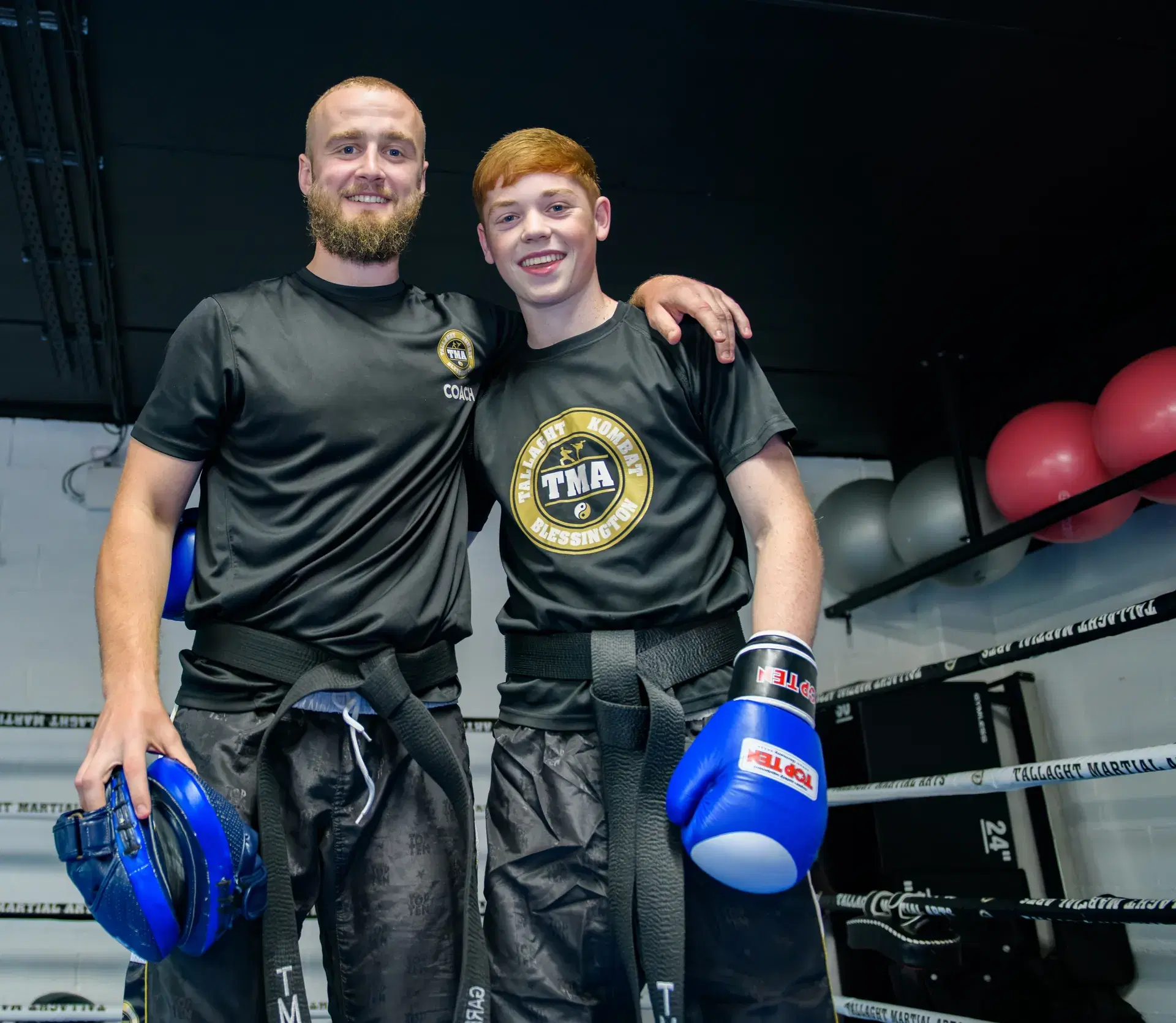
Martial arts develops the body, the mind and the character — at every age. See below the benefits of martial arts for each age group.
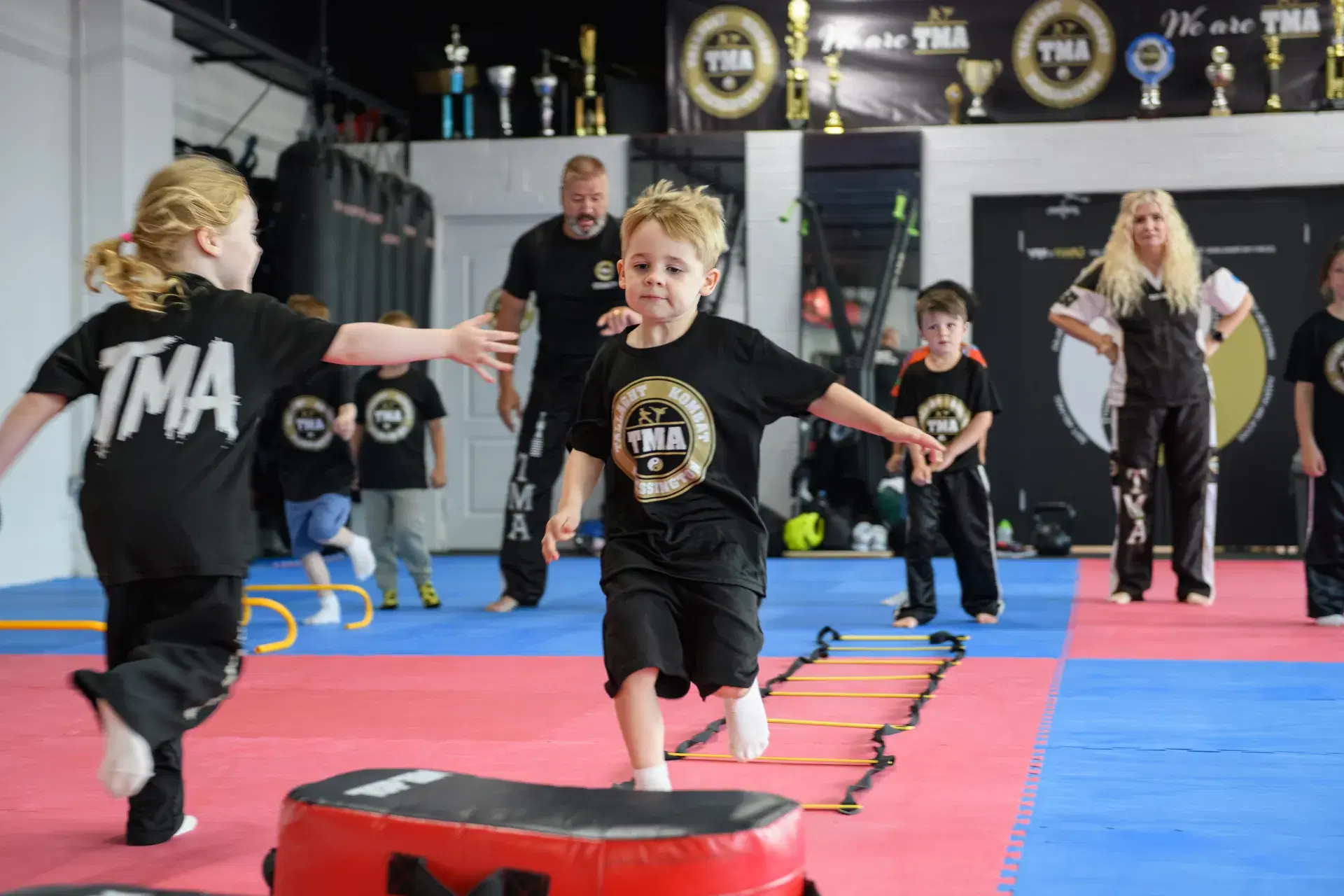
KEY BENEFITS FOR
YOUNG CHILDREN
The earliest years are when movement patterns, attention and confidence are formed. Training gives children a structured, playful place to build all three.
Motor Skills & Coordination
Practicing stances, kicks, and blocks builds core strength, balance, and proprioception (awareness of the body in space). These foundational motor skills transfer directly to other sports and everyday play.
Focus & Impulse Control
Classes require listening to multi-step instructions, holding still during demonstrations, and waiting turns. This repetitive practice helps strengthen executive function and attention span.
Goal Setting & Persistence
The belt ranking system gives children clear, short-term targets. Earning the next stripe or belt teaches them that progress comes from consistent practice rather than immediate gratification.
Emotional Regulation
Contrary to the belief that combat sports encourage aggression, martial arts emphasize self-restraint. Kids learn how to channel energy constructively and manage frustration when a technique takes time to master.
Conflict Avoidance & Confidence
Knowing how to stand tall, look people in the eye, and speak clearly gives children natural confidence, which is often the most effective tool for preventing bullying.
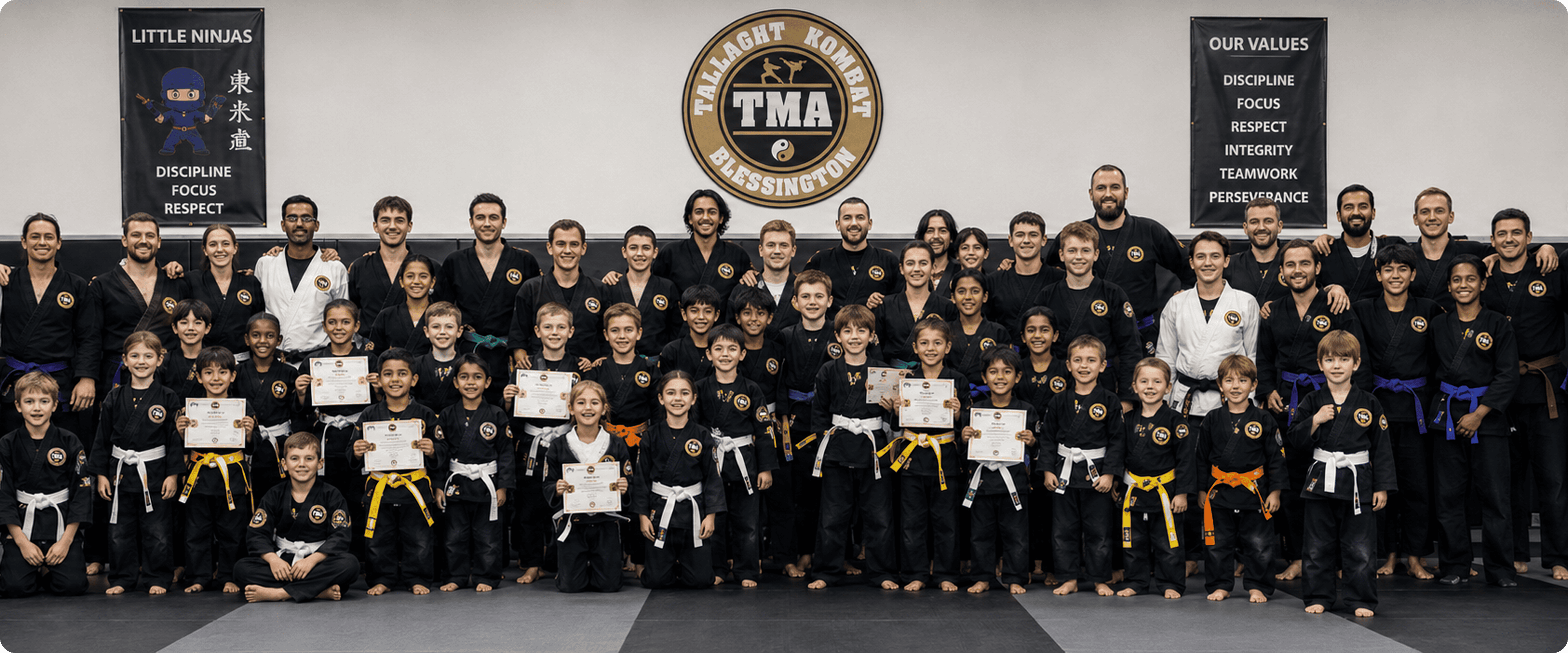
Most programmes start around ages 4–7 with "Little Ninjas" or beginner classes focused on basic mobility, balance, and fun movement games rather than complex technical contact.
KEY BENEFITS FOR
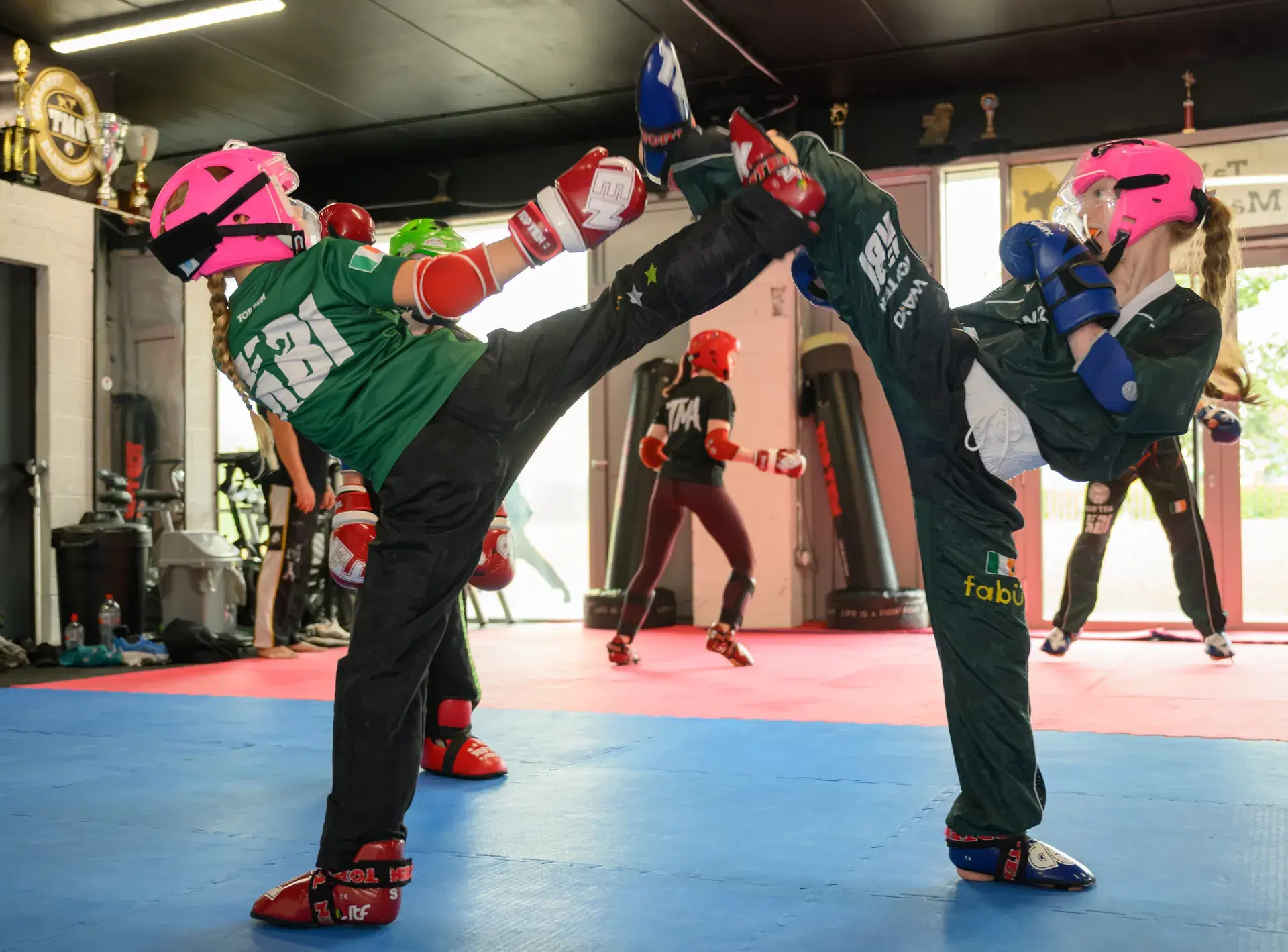
CADETS
Between 8 and 12, children are ready for more of a challenge. Training builds on the basics with sharper technique, teamwork and goals they can see themselves reaching.
Skill Progression & Belts
Cadets learn more advanced combinations, kicks and footwork, and the belt system gives them clear, achievable goals that reward steady effort.
Teamwork & Friendship
Partner drills and group challenges teach children to cooperate, encourage each other and build lasting friendships with their classmates.
Strength & Fitness
Structured warm-ups, pad work and conditioning develop strength, speed, flexibility and stamina during key years of physical development.
Focus That Carries Into School
Following multi-step instructions and practising techniques until they are right builds the concentration and listening skills that help in the classroom.
Resilience & Respect
Learning to try again after a mistake, and to show respect to coaches and training partners, builds resilience and good character on and off the mats.
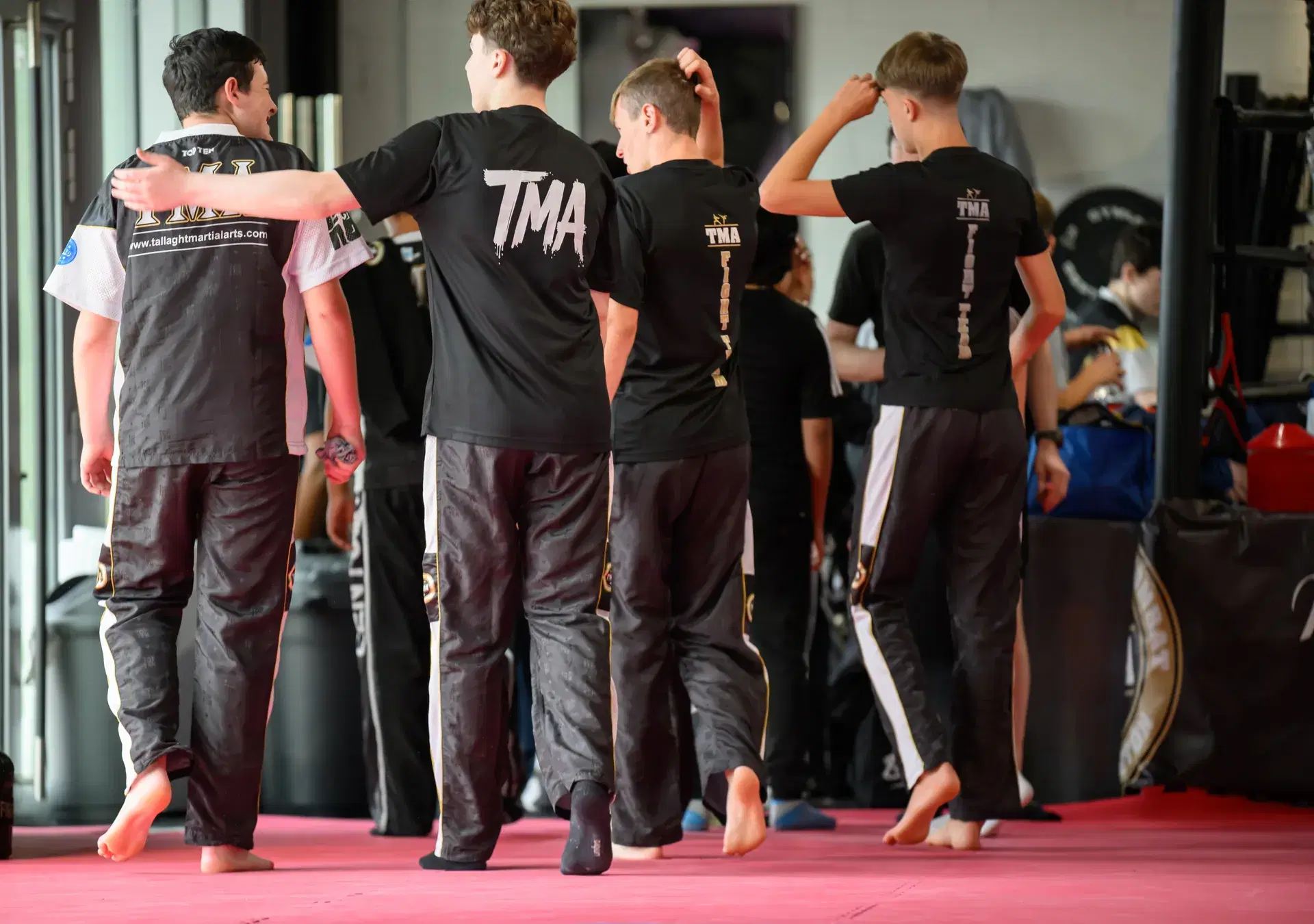
KEY BENEFITS FOR JUNIORS
For 13 to 16-year-olds — a critical window marked by physical growth spurts, emotional shifts, and peer pressures — martial arts offers far more than physical exercise. It provides a structured, supportive framework that targets physical, mental, and social growth simultaneously.
Physical Health & Body Control
Coordination during growth spurts
As teens rapidly grow, their center of gravity shifts, often leading to temporary awkwardness or clumsiness. Martial arts builds spatial awareness, balance, and fine motor control.
Full-body conditioning
Striking and grappling require functional strength, core stability, cardiovascular endurance, and flexibility — offering balanced fitness without the repetitive wear of some single-sport disciplines.
Mental Resilience & Focus
Emotional Regulation
Learning to stay calm under physical pressure directly translates to managing stress, test anxiety, and peer tension in daily life.
Focus away from screens
Dojang or dojo sessions demand sustained, real-time attention to visual cues and complex movement patterns, serving as an antidote to constant digital distractions.
Goal-setting through progression
The belt and ranking systems break long-term goals into clear, achievable milestones, teaching teens patience and the value of incremental effort.
Self-Confidence & Conflict Avoidance
Healthy boundary setting
Knowing basic self-defense gives teens a grounded sense of security, which ironically reduces conflict. Confident teens are far less likely to be targeted by bullies — or engage in aggressive behavior themselves.
Respectful social environment
Martial arts culture prioritizes respect for instructors, training partners, and oneself, fostering humility alongside skill.
KEY BENEFITS FOR
ADULTS
Starting martial arts as an adult offers dynamic advantages that reach far beyond basic treadmill workouts or weightlifting. It combines functional movement, mental decompression, and practical skills in a way few other disciplines can.
High-Impact Stress Relief & Mental Focus
Active mindfulness
Unlike gym workouts where your mind can easily wander back to work emails or daily stressors, martial arts demands total presence. Misinterpreting a cue or dropping your guard has immediate feedback, forcing complete mental focus on the moment.
Physical decompression
Heavy bag striking, pad work, or active sparring provides a physical outlet to release built-up tension, anxiety, and frustration after a long workday.
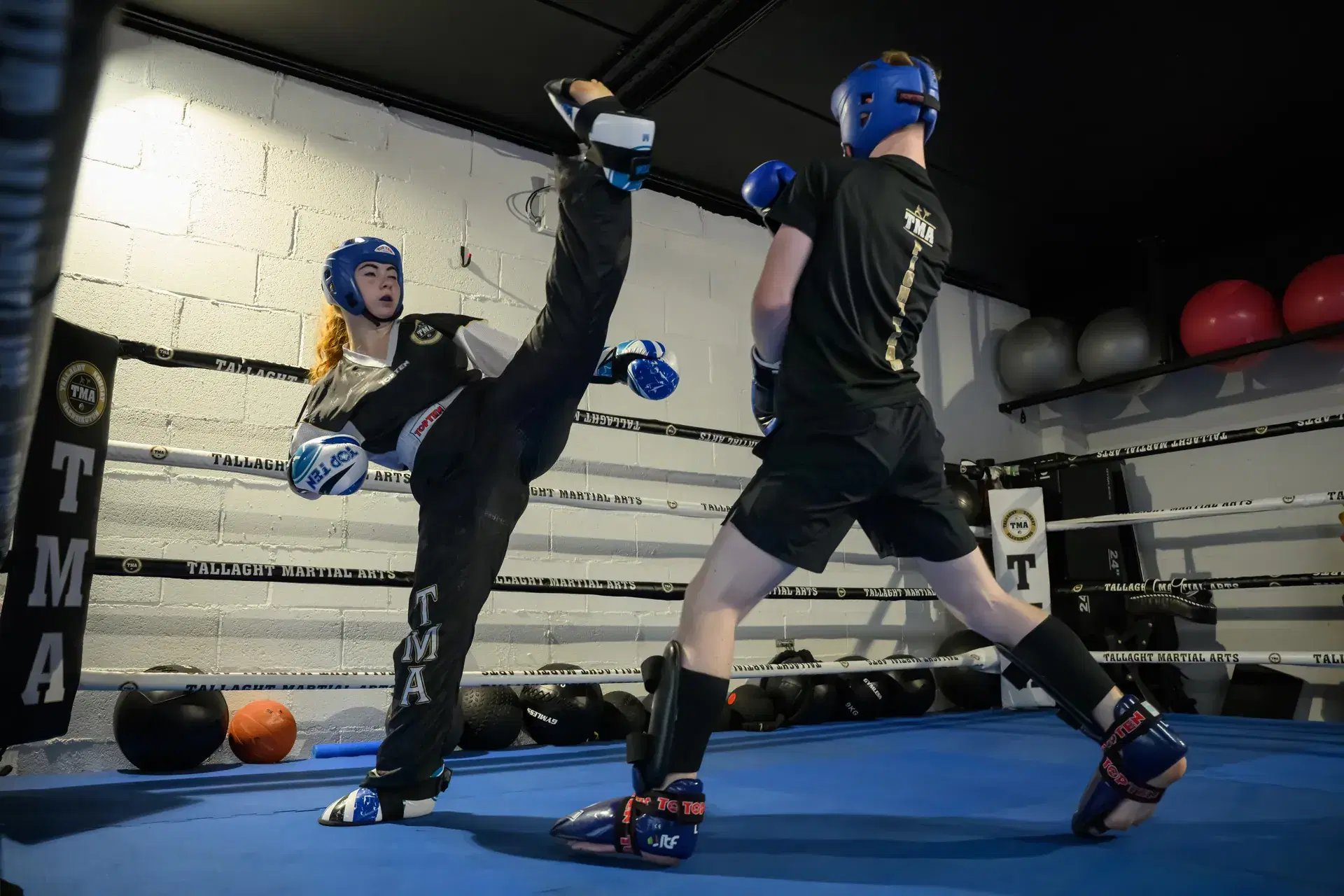
Functional Fitness & Mobility
Dynamic, full-body movement
Martial arts trains your body across multiple planes of movement — requiring rotation, hip mobility, core stability, and balance rather than simple linear movements.
Agility and longevity
Grappling (like BJJ) builds core isometric strength and joint flexibility, while striking arts (like Muay Thai or Boxing) drastically improve cardiovascular conditioning and reaction speed.
Practical Self-Defence & Mindset
Real-world situational awareness
Training teaches you how to recognize potential conflict early, manage distance, and maintain control under physical stress.
Confidence under pressure
Knowing you can handle physical discomfort or challenging scenarios builds a calm, grounded demeanor in day-to-day interactions.
Community & Goal-Oriented Growth
Escaping the solo gym grind
Weight rooms can feel isolating, but a combat sports gym operates on mutual trust and collaboration with training partners.
Measurable skill progression
Adults often lose clear personal growth tracking outside of work. Martial arts provides a tangible progression path through belt ranks, technical skill development, or conditioning benchmarks.
Benefits of kickboxing
SEE THE BENEFITS
FOR YOURSELF.
Book a free trial class and find the right fit for you or your child.